Many British mammals are shy or out at night, but their droppings give them away.
Wildlife charities use droppings to work out which animals are living in a garden, wood or riverbank. Size, shape, contents, smell and where they are left all help. This independent guide sums up what UK wildlife trusts say to look for, and how to look safely.
AI-generated image, not a photograph of a real person or place.
Note size and shape
Check where it sits
Never use bare hands
Small clues, secret neighbours
THE SHORT ANSWER
Size, shape, smell and spot.
Droppings are signs that an animal uses a place. Where they are left can matter as much as what they look like.
MARKING TERRITORY
Left out on show
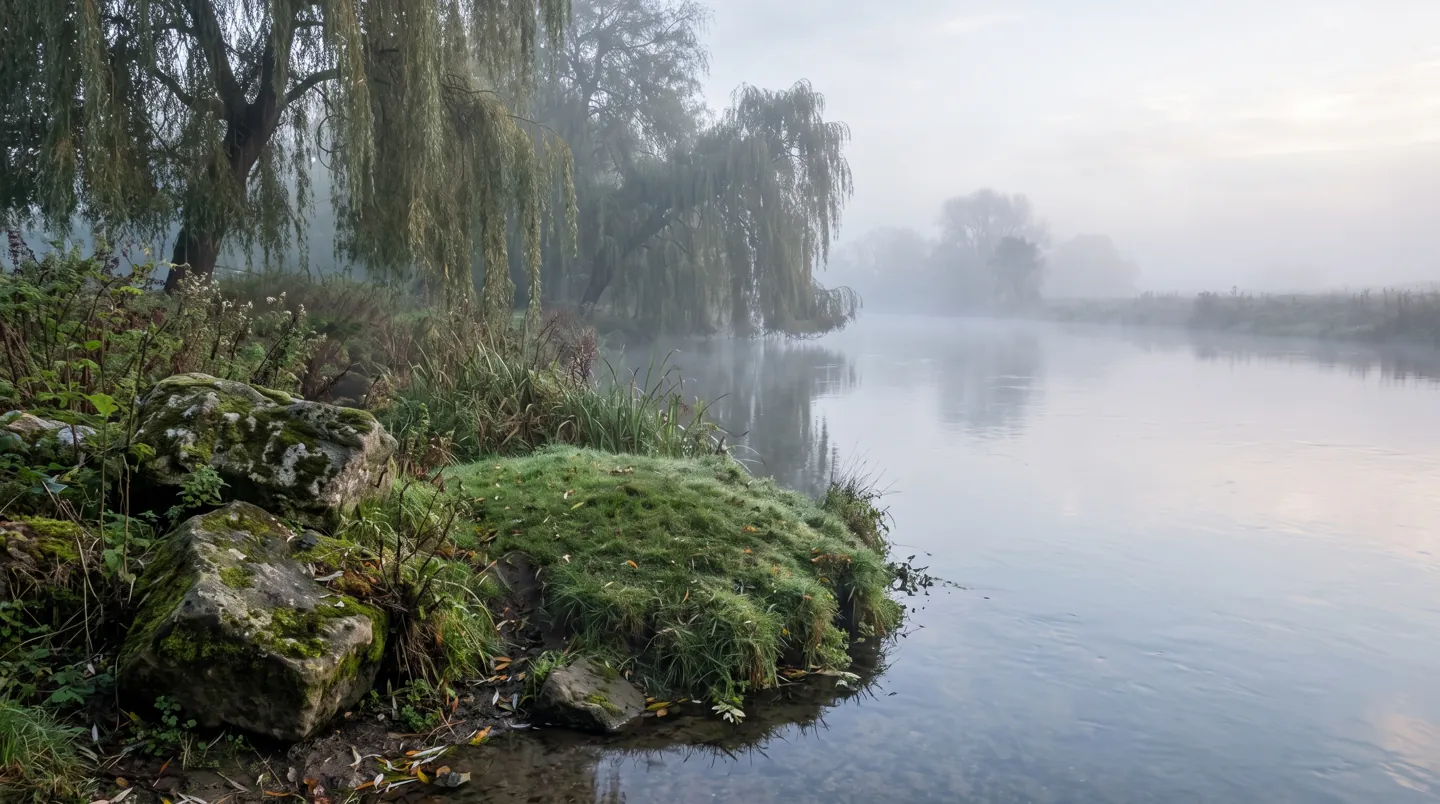
Foxes and otters leave droppings in prominent places to mark territory: fox poo on a paving slab or grassy mound, otter spraint on rocks and banks close to water.
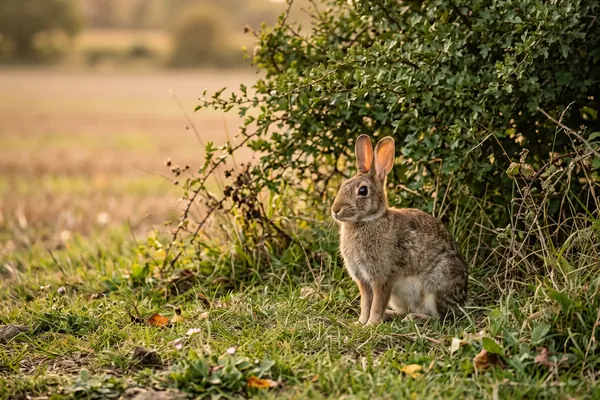
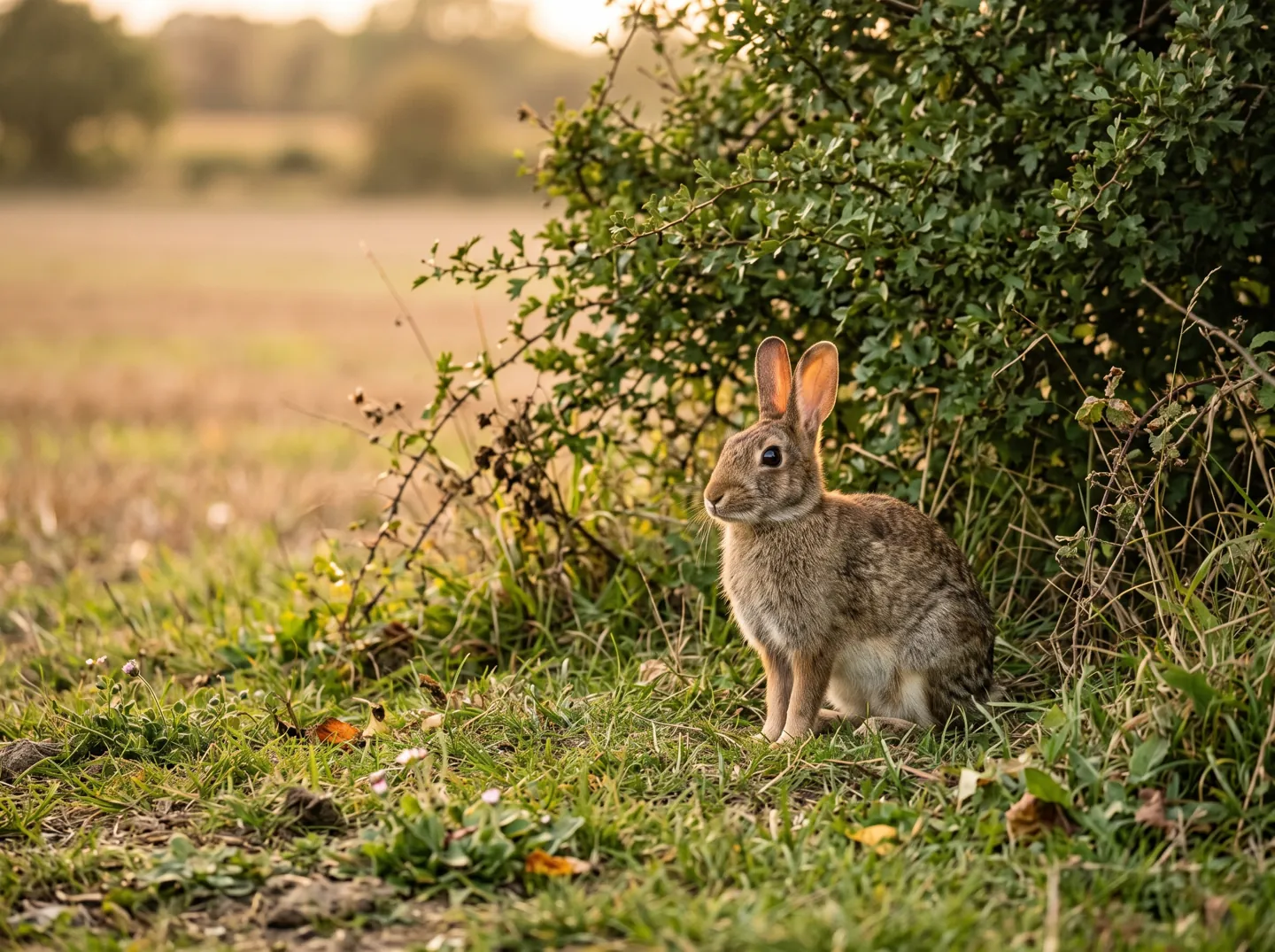
Rabbit droppings are pea-sized, round pellets, 1 cm or less, left in dense clusters on grassland and field edges. Hare droppings are a little bigger and flatter.
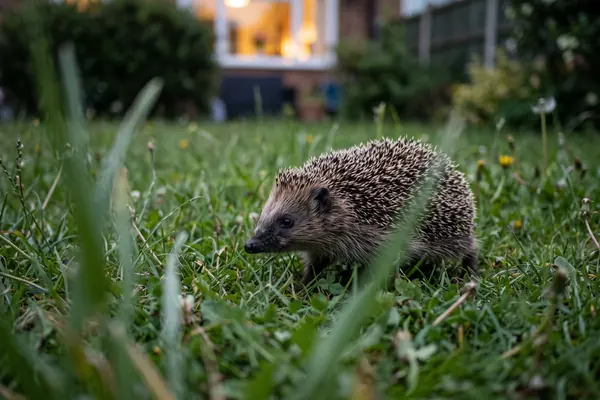
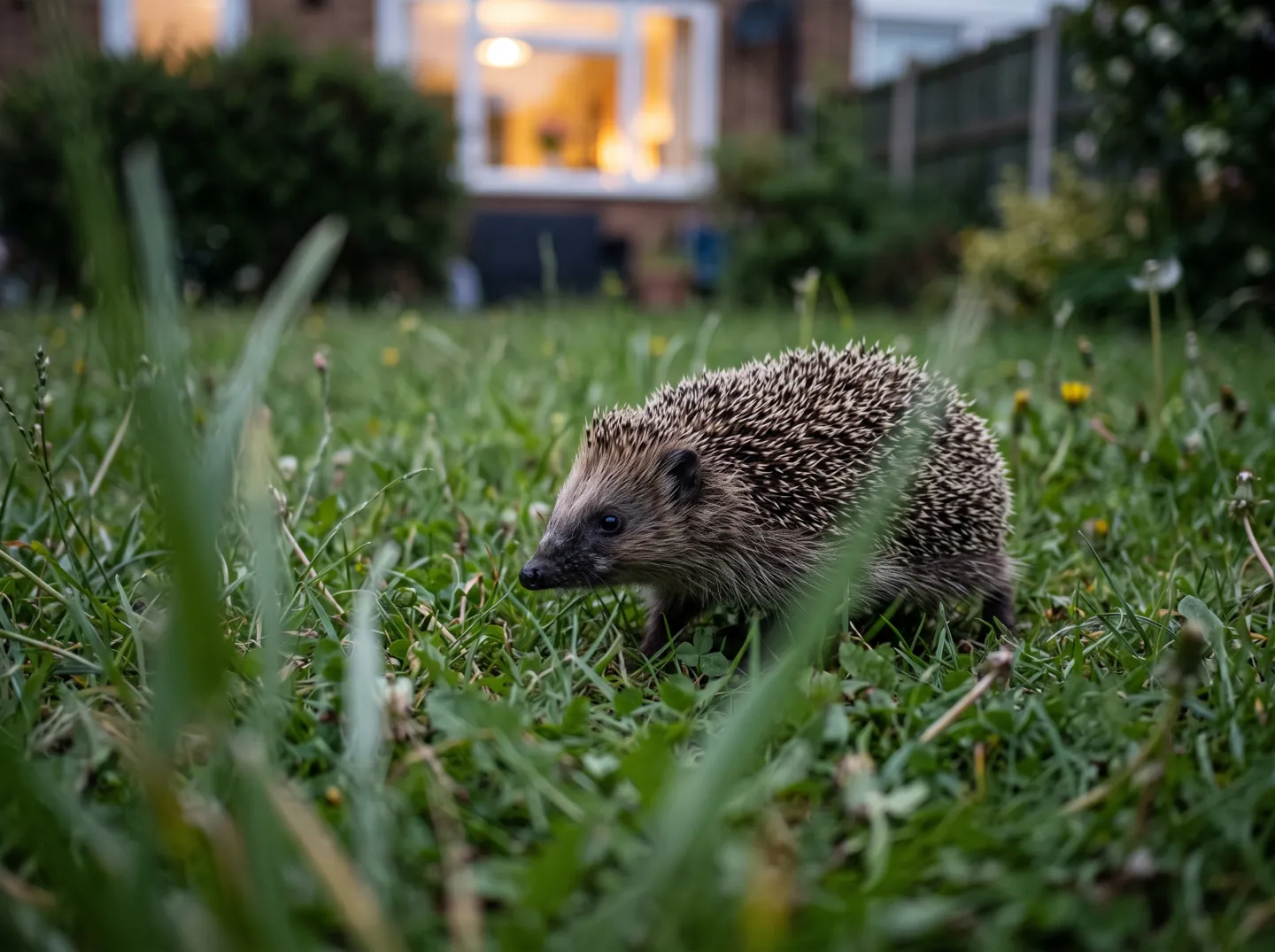
Hedgehog droppings are dark and cylindrical, 1.5 to 5 cm long. The Woodland Trust says the best clue is shiny bits: the remains of beetles and other insects.
Pick an animal to see the typical size of its droppings and the clues that help tell it apart. The bar shows how large the droppings are compared with the others.
Typical sizes from the Woodland Trust's identification tips. Real droppings vary with diet, age and the condition of the animal.
TWO NUMBERS WORTH KNOWING
A badger's loo, and your hands.
One number from the woods, one from the NHS for afterwards.
10–15 cm
Depth of a badger latrine
Badgers dig a small pit to use as a toilet, and members of the same family may all use the same latrine. Finding a cluster of these pits is a strong sign that badgers live nearby.
BADGERS · WOODLAND TRUST
≈ 20 seconds
Time to spend washing your hands
The NHS says to wash your hands for about as long as it takes to sing Happy Birthday twice, and lists after touching animals among the times to do it.
HYGIENE · NHS
Wildlife trusts advise never touching droppings with bare hands because they can contain harmful bacteria. Look closely, use a stick, and wash your hands afterwards.
FOUR STEPS ON A WALK
Be a droppings detective.
No kit beyond a stick and a notebook. These steps follow what UK wildlife charities suggest.
Note size, shape and colour
Lincolnshire Wildlife Trust suggests noting the size, shape and colour first, then breaking a dropping apart with a stick to see what is inside.
Check where it was left
On a mound or paving slab may mean a fox; in a shallow pit, a badger; on a rock by the river, an otter; in a pile by the water, a water vole.
Try the bat crumble test
Bat droppings look like mouse droppings, but the Bat Conservation Trust says they crumble easily when rolled in a tissue and can look sparkly.
Keep your hands clean
Never touch droppings with bare hands. Wash your hands with soap and water afterwards, for around 20 seconds.
AI-generated image, not a photograph of a real person or place.AI-generated image, not a photograph of a real person or place.
NOT EVERYTHING IS POO
Look twice, sniff carefully.
Owl pellets can look like droppings, but they are the fur and bones an owl brings back up. The Lincolnshire Wildlife Trust says they do not smell and turn grey as they dry.
Deer droppings are tricky for a different reason. Deer chew their food twice, so their small, shiny, dark pellets show no obvious contents and have little smell. Water vole latrines can be mistaken for rat droppings, but rat droppings are darker, flattened at one end and have an unpleasant smell.
Questions
Questions people ask
How can I tell fox poo from dog poo?
Fox droppings are a similar shape to a dog's but are pointy and twisted at one end, often contain fur, feathers, bones, seeds and berries, and have a musky smell. They are often left in prominent places such as the middle of a paving slab.
What does hedgehog poo look like?
Long, cylindrical and dark brown, grey or black, about 1.5 to 5 cm long. The Woodland Trust says the best clue is shiny bits, the remains of beetles and other insects.
What is otter spraint?
Spraint is the name for otter droppings. It is usually greenish, black or grey, slimy and full of fish scales, bones and crayfish parts, and is left on rocks and banks near water to mark territory.
How do I know if droppings in my loft are from bats?
The Bat Conservation Trust suggests the crumble test: roll a dropping in a tissue between finger and thumb. Bat droppings crumble with little pressure; mouse droppings do not. Wash your hands afterwards.
Is it safe to touch animal droppings?
No. Lincolnshire Wildlife Trust advises never touching droppings because they can contain harmful bacteria. Use a stick, and wash your hands with soap and water afterwards.